
Where ancient Ayurvedic wisdom meets modern science
The kitchen was always a pharmacy.
IndiSpice Atelier takes one spice at a time and follows it from the countertop to the cell — Ayurvedic tradition, peer-reviewed pharmacology, and the honest limits of both. Every claim carries an evidence grade, including the ones that turn out to be weaker than the headlines suggest.

The books
One spice, one complete account
Each book takes a single spice and does the whole job — the chemistry, the dosing, the safety, the traditional preparations, and an honest grade on every claim.
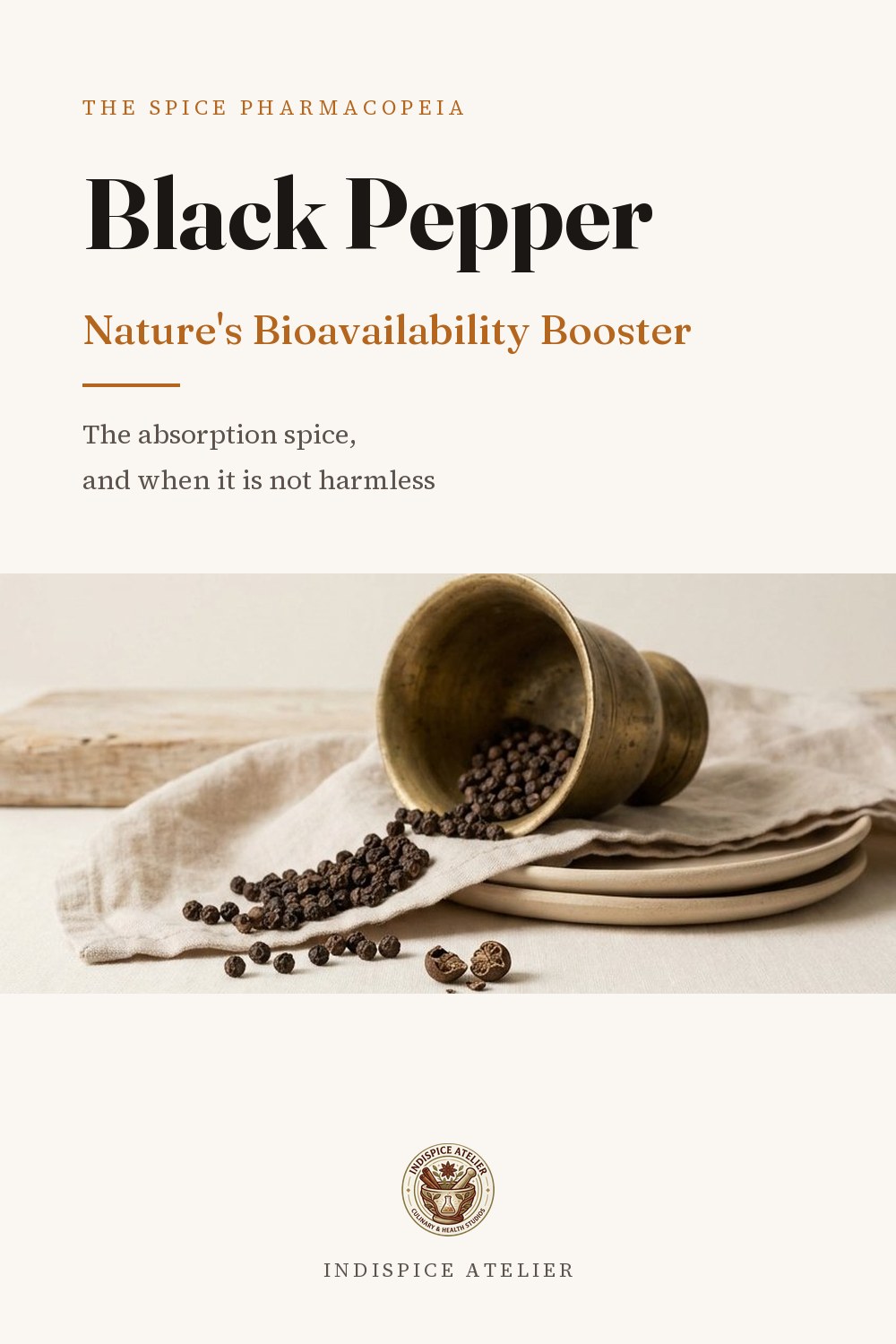
Black Pepper
Black Pepper: Nature's Bioavailability Booster
Black pepper sits on every table in the world and is almost never thought about. It changes how other compounds behave in your body — which is exactly why a piperine capsule is not the same thing as seasoning your dinner.
Why a piperine capsule and your peppermill are not the same thing.
$14.99
In your cart — checkout
Free to read
Start with a question
The things people actually search for, answered properly — including the parts that are less flattering than the headlines.
5 guides
Black Pepper
Black pepper benefits and piperine — what the absorption claims really show, when concentrated piperine stops being harmless, which peppercorns are worth paying for, and how to cook with it properly.
5 guides
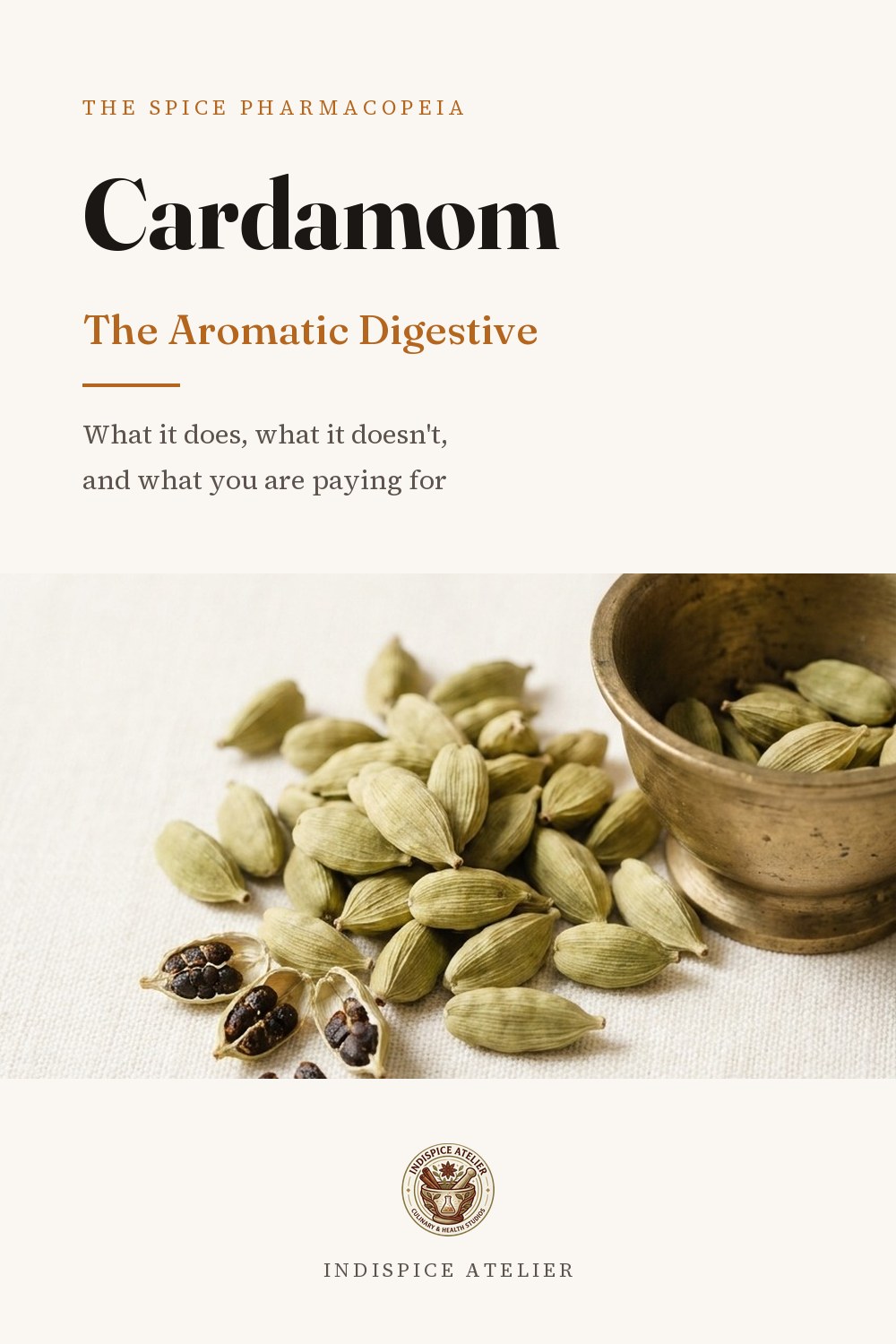
Cardamom
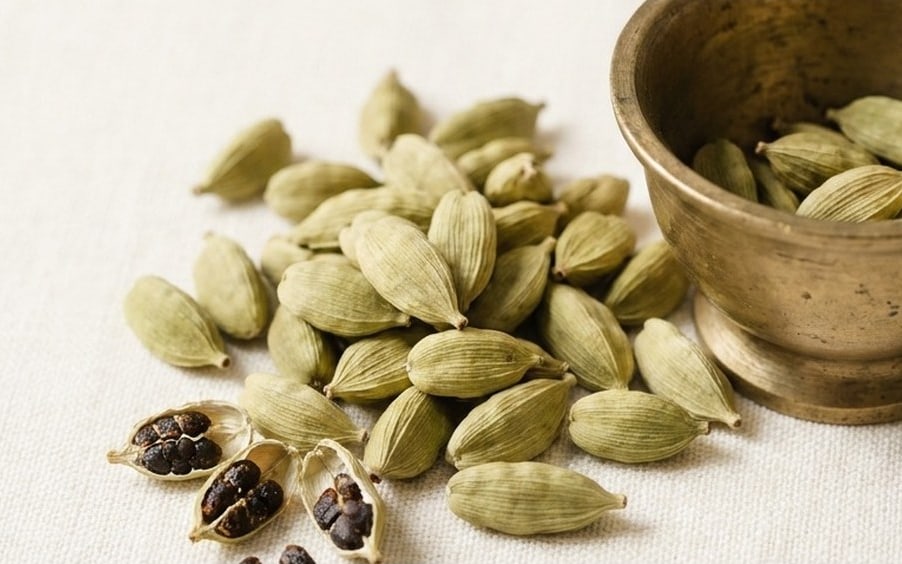
Cardamom benefits graded by the evidence behind them — the digestive claim that holds up, the blood pressure and blood sugar claims that do not yet, plus buying, substitutes and why a small tin costs what it does.
7 guides
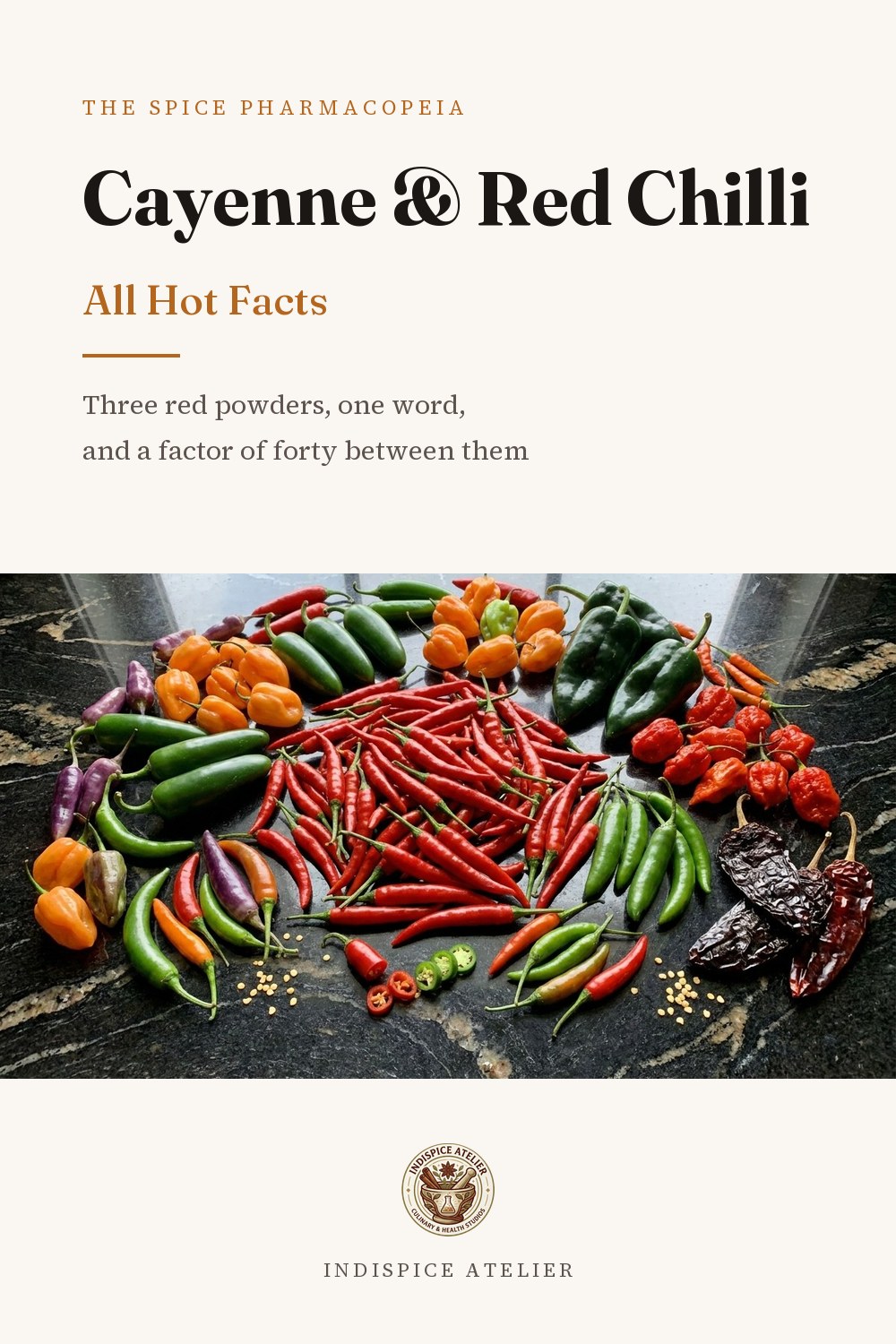
Cayenne & Red Chilli
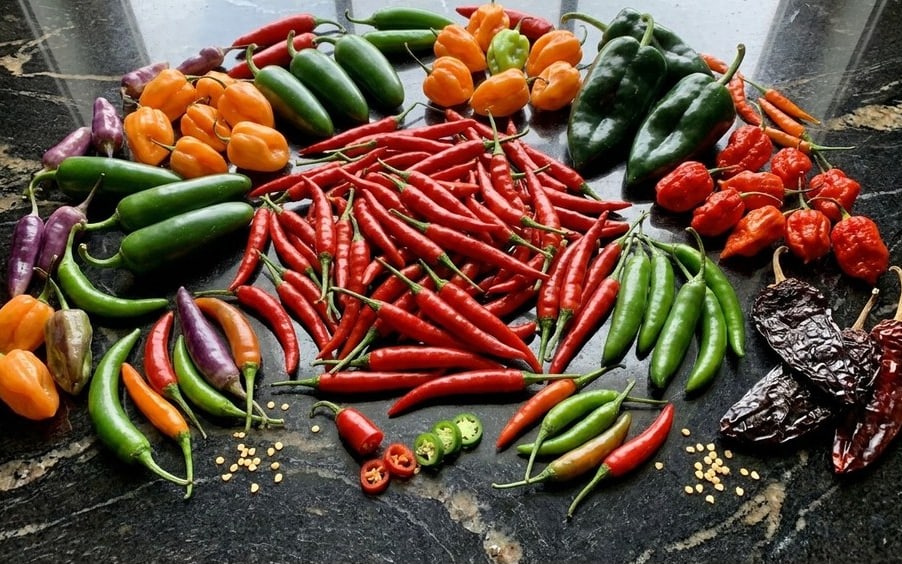
Cayenne pepper explained — what capsaicin does and does not do for you, why American chili powder, Indian red chilli powder and Kashmiri chilli are three different products, and how to buy and swap each one.
5 guides
Cinnamon
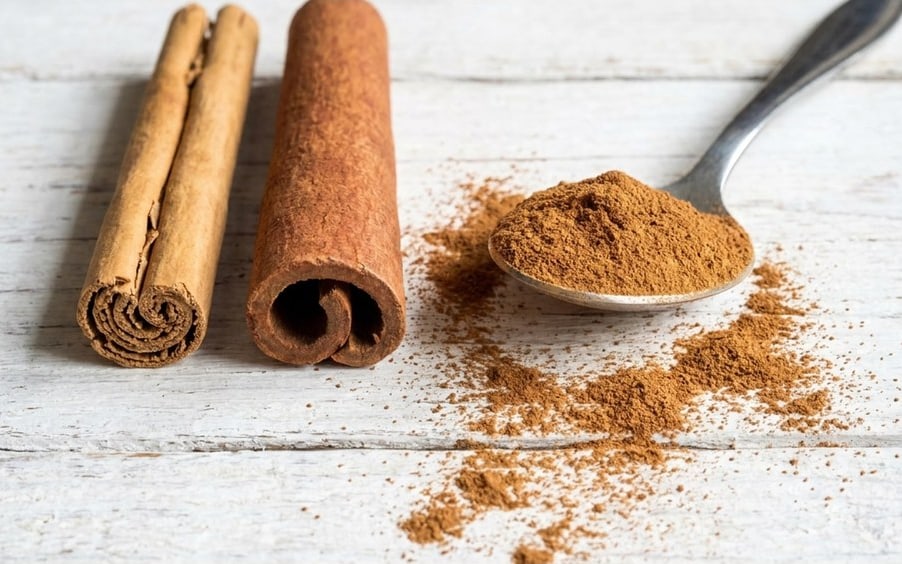
Ceylon cinnamon explained — how it differs from the cassia sold as cinnamon almost everywhere, why the difference matters for your liver, how to tell them apart in the jar, and what cinnamon is actually good for.
7 guides
Clove
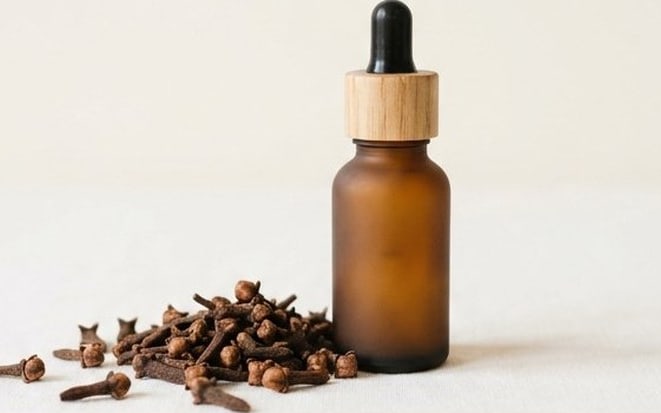
Clove benefits, sorted by how much evidence stands behind them — the toothache use dentistry actually adopted, what clove tea and clove water do and do not do, and where clove oil becomes genuinely dangerous.
5 guides
Coriander & Cilantro
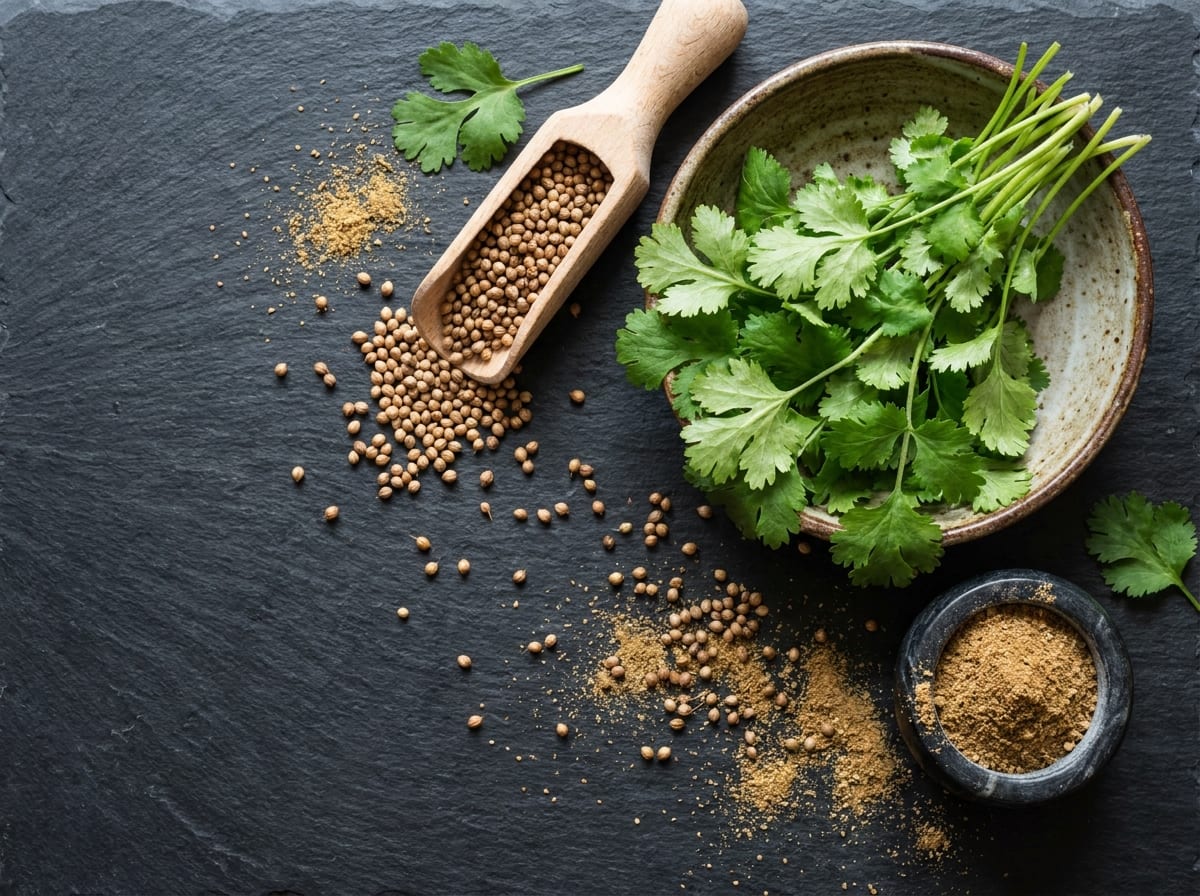
Coriander explained — why cilantro and coriander are one plant and two ingredients, what dhania, kothimbir and kothamalli mean, why it tastes like soap to some people, what to use when you run out, and which of the four forms is worth buying.
4 guides
Cumin & Jeera
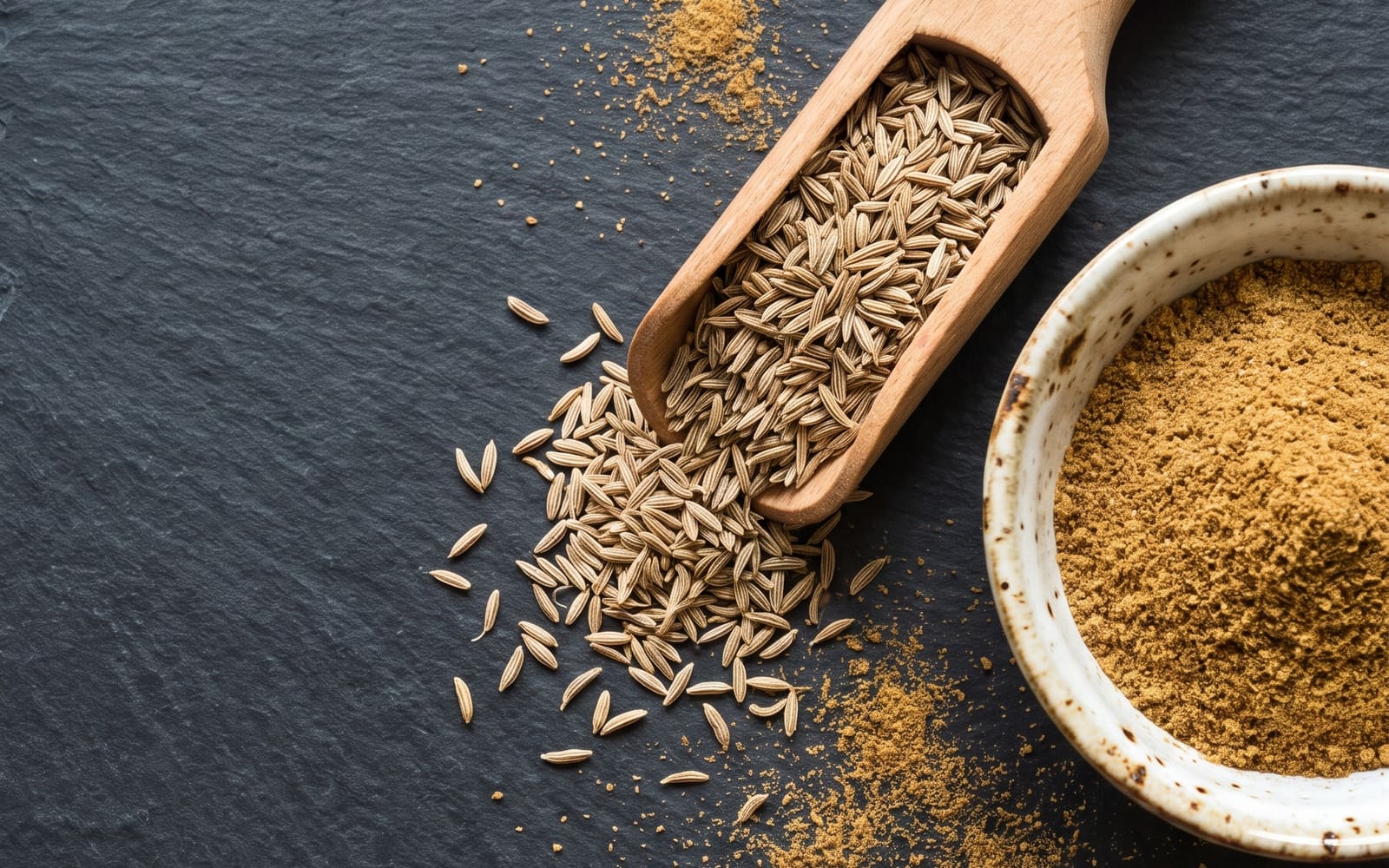
Cumin explained — what jeera, zeera, shahi jeera and kala jeera actually mean, what jeera water does and does not do, what to use when you run out, and how cumin and coriander divide the work in an Indian pot.
5 guides
Garam Masala
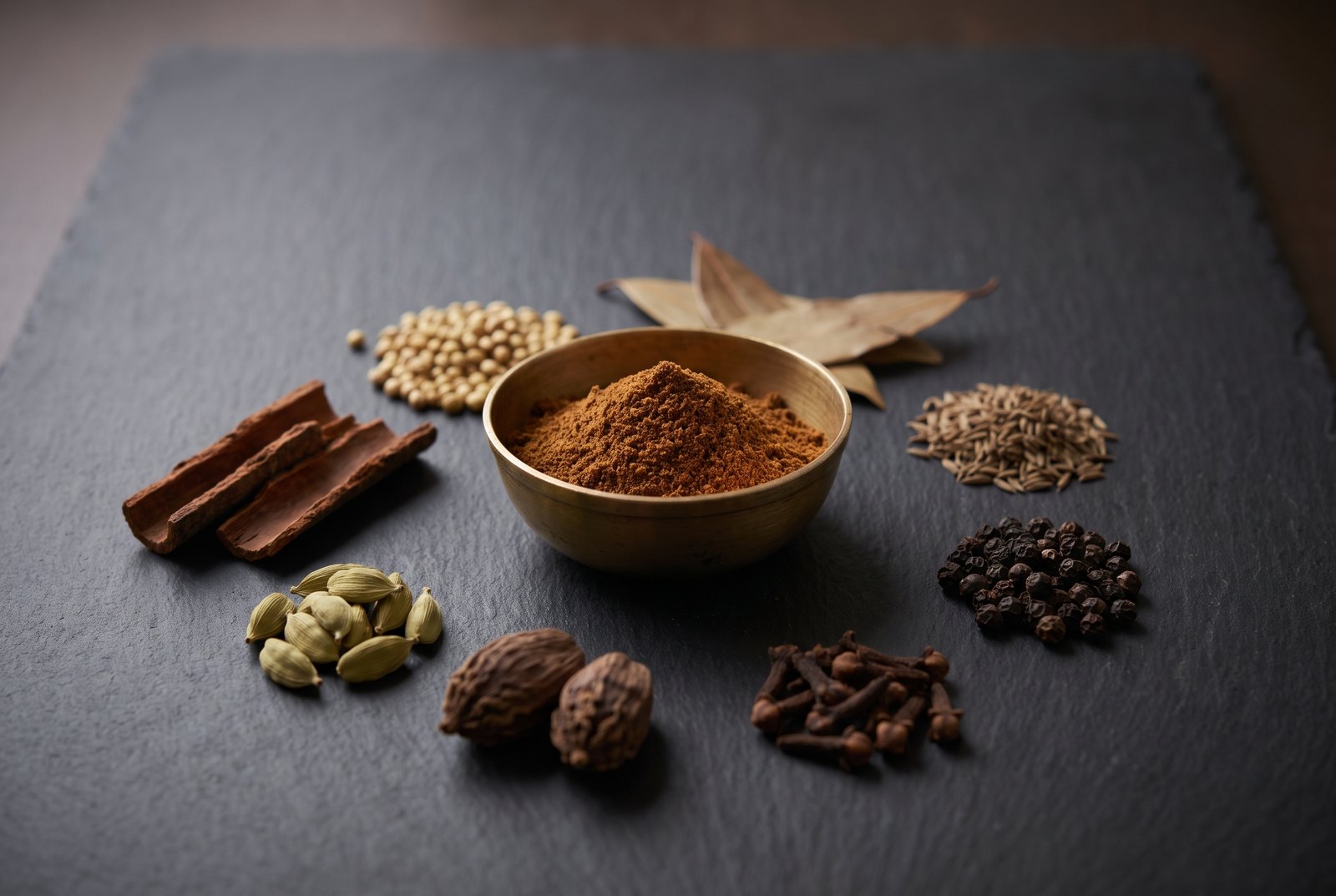
Garam masala explained — what the name means in English, what the blend is actually made of, what it tastes like, why it goes in at the end of cooking rather than the start, the one time that rule is wrong, and what to reach for when the jar is empty.
5 guides
Star Anise
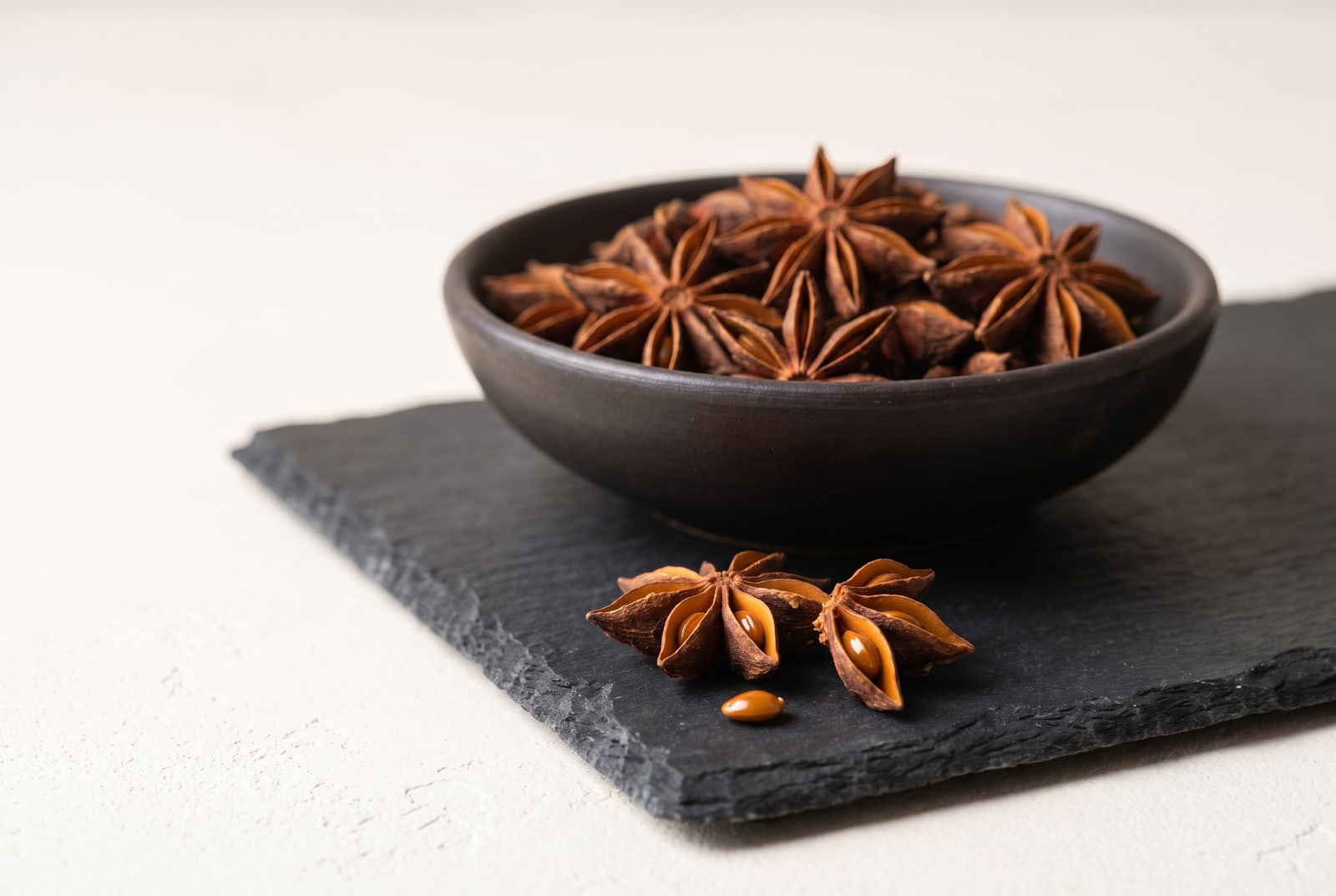
Star anise explained — what it does in pho and five-spice, what to use when you run out, why it is not the same plant as aniseed, what chakra phool and badiyan mean, and the one lookalike species that is genuinely toxic.
7 guides
Turmeric
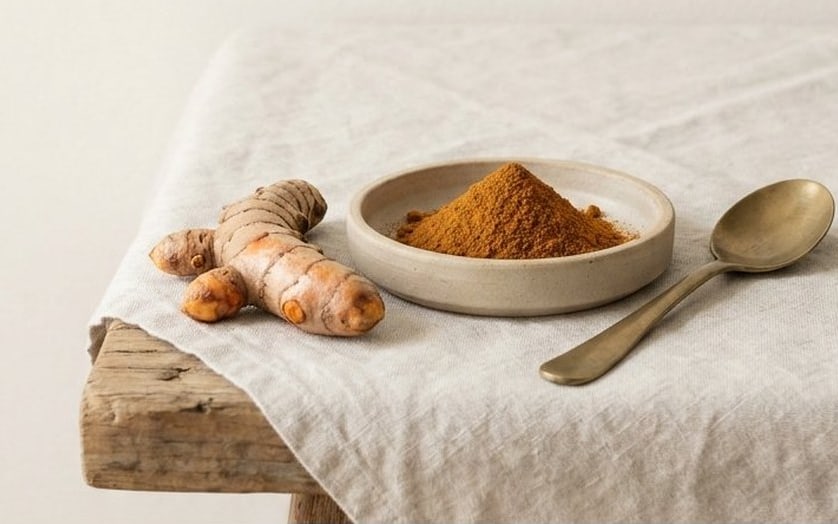
The honest account of turmeric benefits — what turmeric is good for, where the evidence is real, where it is thin, and the one distinction that makes every confusing claim make sense.
Free download
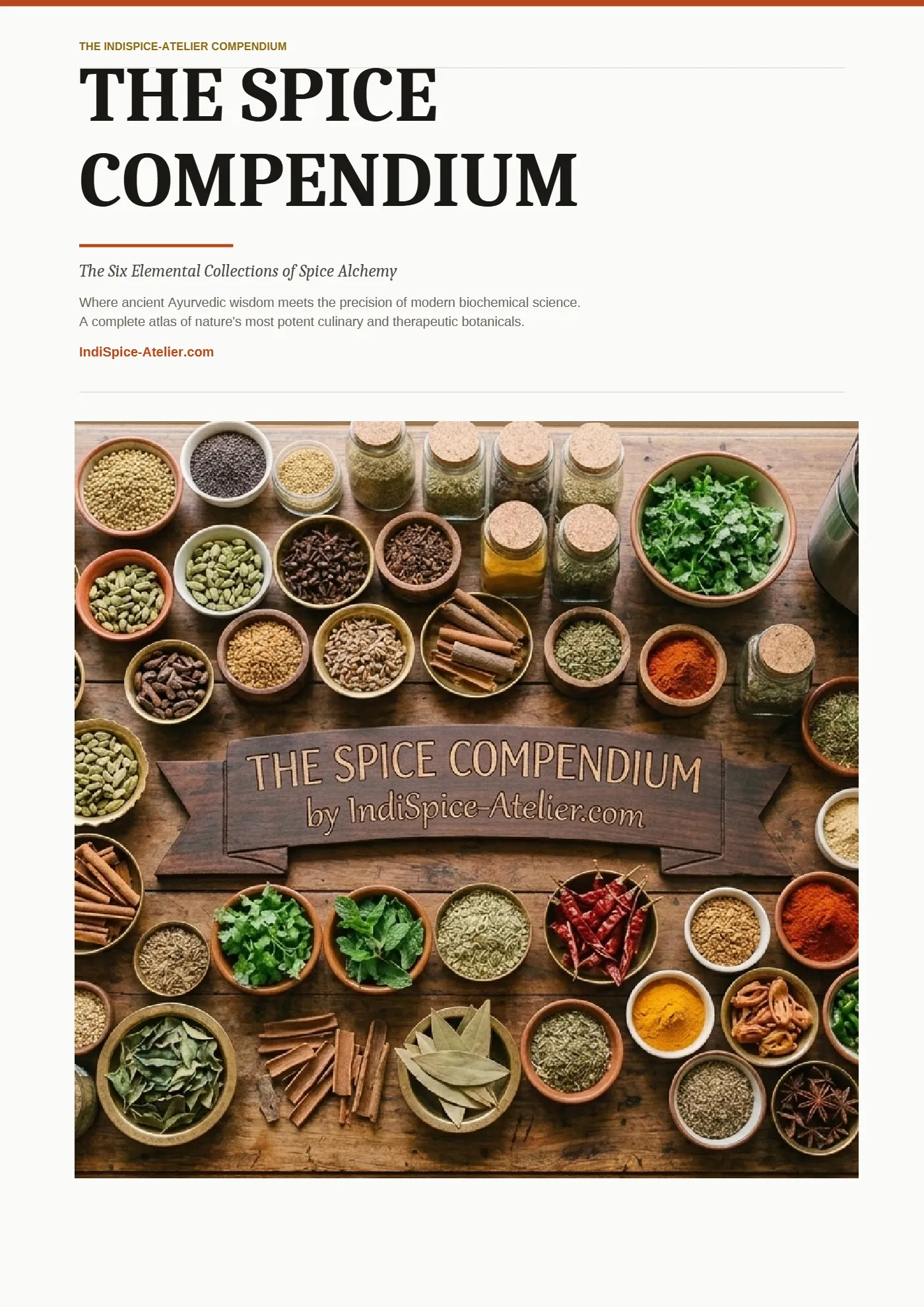
Start with the Compendium
One introductory atlas to the whole series — the featured spices of all six collections, their core philosophy, and a master framework for layering them into a single dish. A taste of the full Pharmacopeia.
About the project
Returning the kitchen to itself
For thousands of years the kitchen was a household apothecary, and the spice box its first line of defence. The Spice Pharmacopeia is an attempt to recover that — not as folklore, but with the molecular vocabulary the tradition never had.
Every claim is anchored to named, peer-reviewed research; every recipe is built for the way these compounds actually enter the body. It is written for the curious Western cook and the diaspora reader alike — two readers who meet at the same kitchen counter.
From the kitchen
Recipes
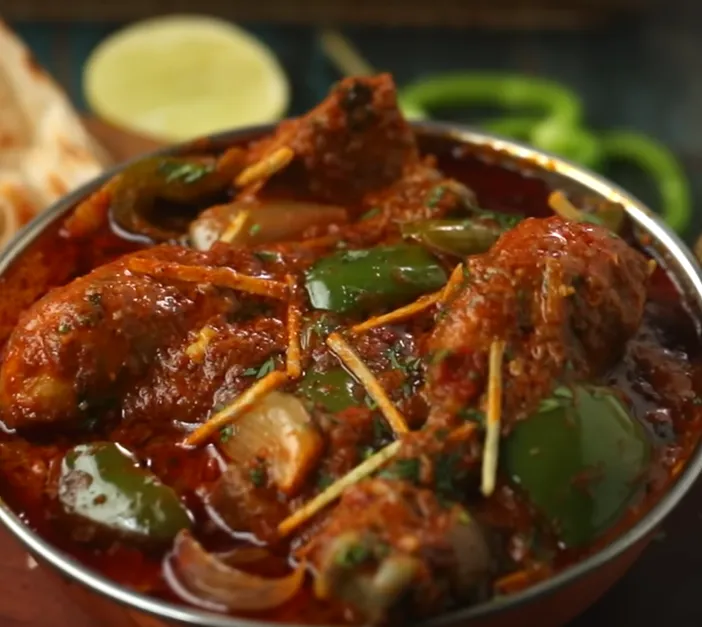
Chicken Kadhai
Chicken dish with Capsicum , Tomatoes, Green Chili and lots of fun!
High-Protein
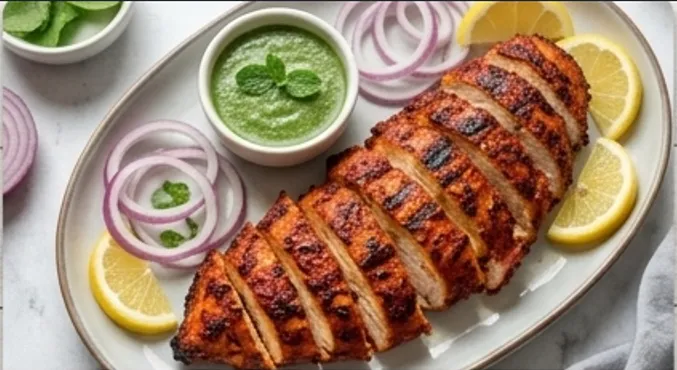
Air Fryer Tandoori Chicken Breast
Crispy, protein-packed tandoori chicken made in the air fryer with traditional Indian spices.
Vegan
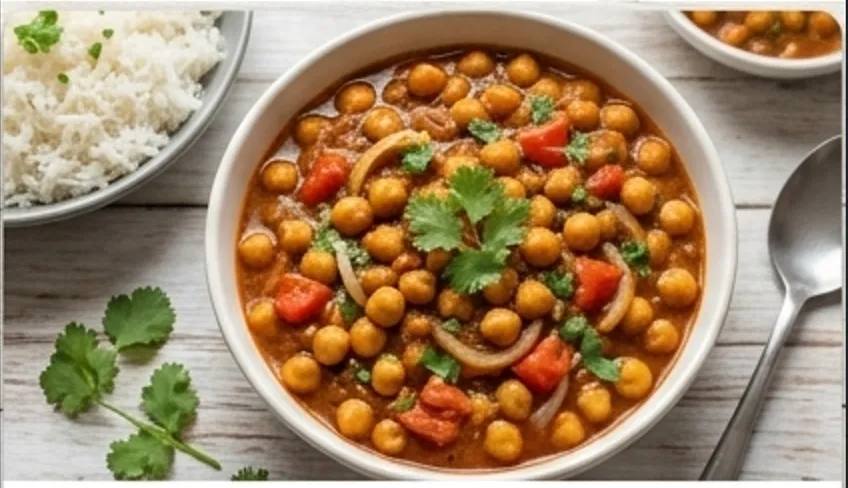
Classic Vegetarian Chana Masala
A beloved Indian classic — chickpeas in a rich, aromatic tomato-based sauce.
Field notes
Articles

Technique
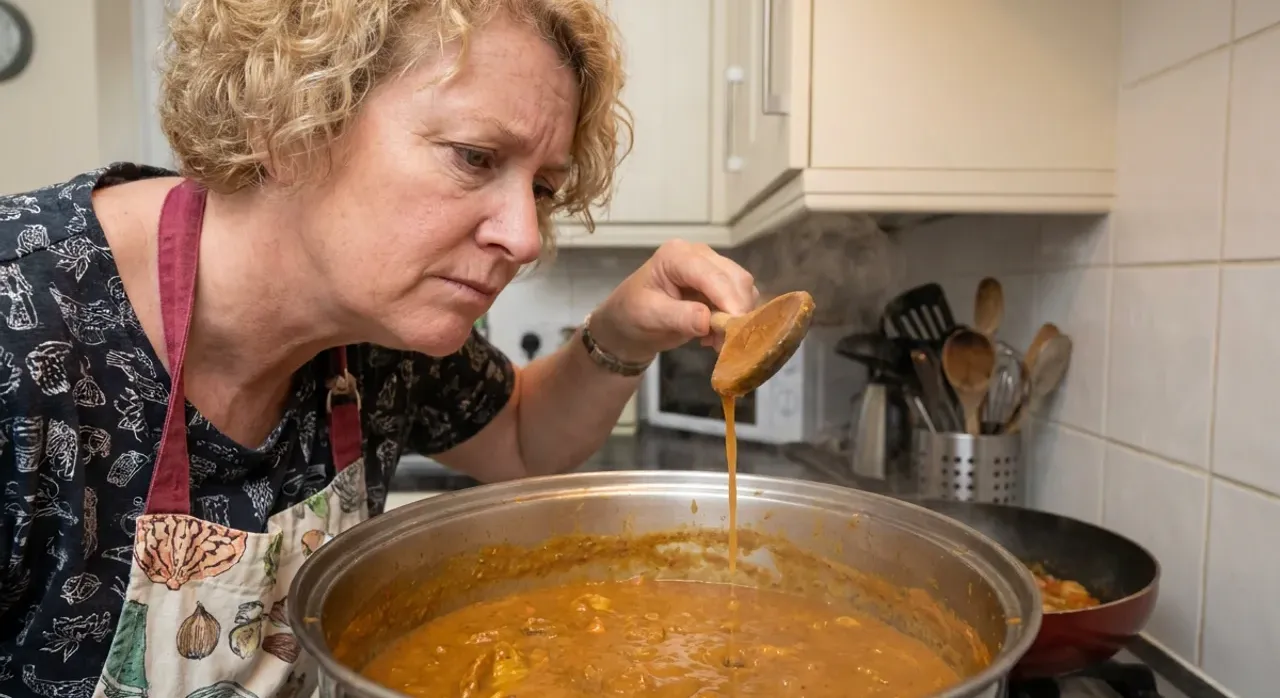
How to Make Curry: The Order Indian Cooks Actually Use
Most Indian gravies are one base with different things added to it. The order the stages go in, why each one needs a different heat, and the single visual signal — the oil separating — that tells you the base is finished.
Technique
How to Thicken a Curry (Without Flour)
A watery curry is usually an unfinished base, not a missing thickener. Why the cornflour instinct makes it worse, the seven things Indian kitchens actually use, and how to add yoghurt without it splitting.
Ingredients
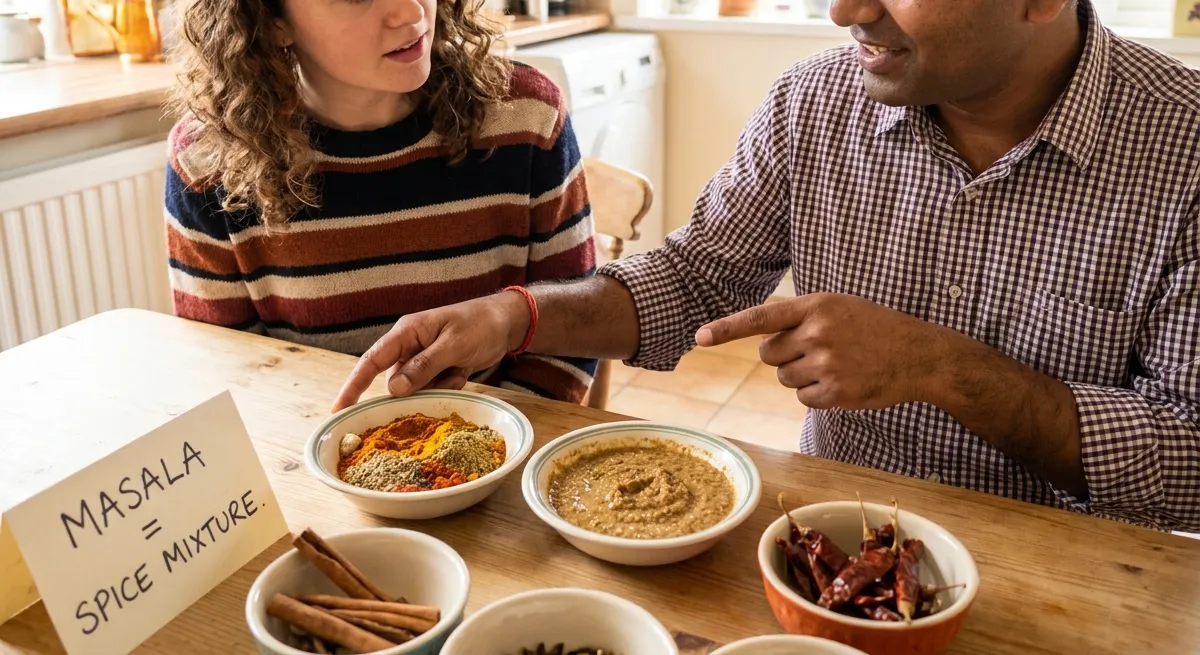
What Is Masala? The Words Indian Recipes Assume You Know
Masala just means a mixture of spices — not a dish, not a sauce, not one thing. What garam, chaat and chai masala each are, why garam masala contains no chilli, and plain definitions for tadka, bhuna and dum.
Also on Amazon
The Spice Pharmacopeia
Six printed volumes, each taking one family of spices from the countertop to the cell — tradition, chemistry, and the recipes that put both to work. Published separately on Amazon.
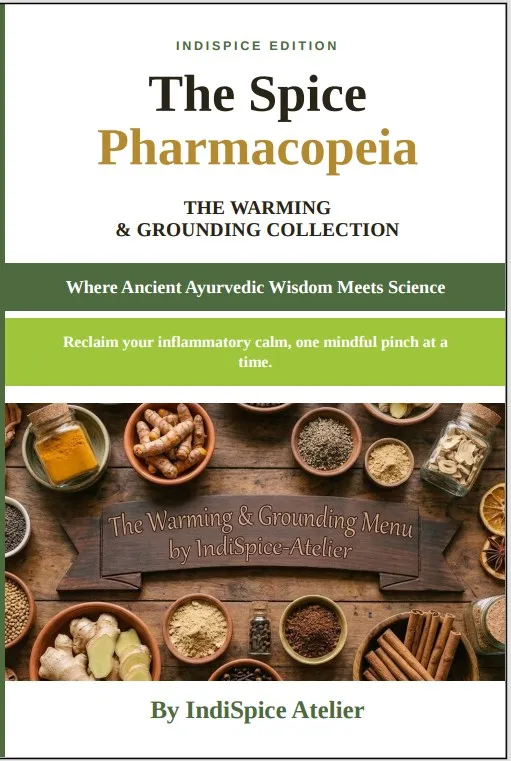
Volume I · The Thermogenic Foundations
The Warming & Grounding Collection
Five everyday warming spices — turmeric, black pepper, ginger, clove and cinnamon — turned into a daily anti-inflammatory toolkit. Each is mapped from countertop quality test to Ayurvedic profile to peer-reviewed pharmacology, then built into Western-friendly recipes engineered for full bioavailability.
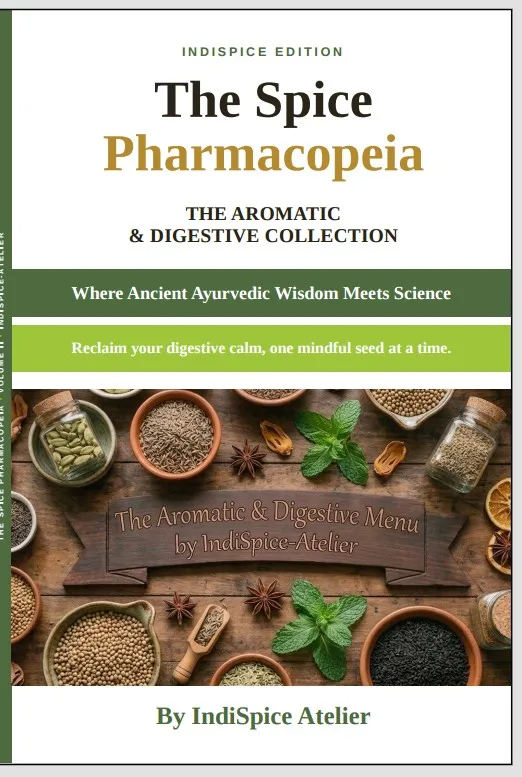
Volume II · The Carminative Winds
The Aromatic & Digestive Collection
Cumin, coriander, cardamom, fennel, ajwain and caraway — the carminative seeds that tune digestion, calm bloating and settle the gut.
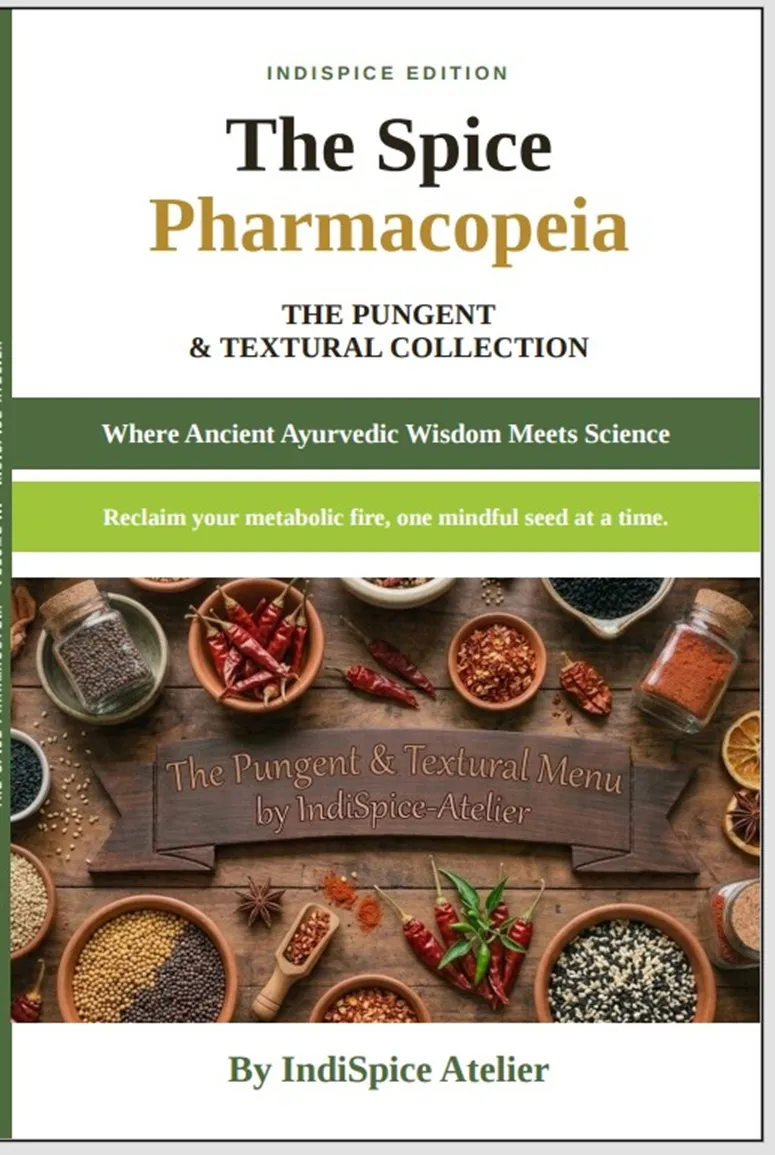
Volume III · The Structural Igniters
The Pungent & Textural Collection
Mustard, nigella, sesame and red chili — pungent catalysts and textural anchors for circulation, structure and metabolic heat.
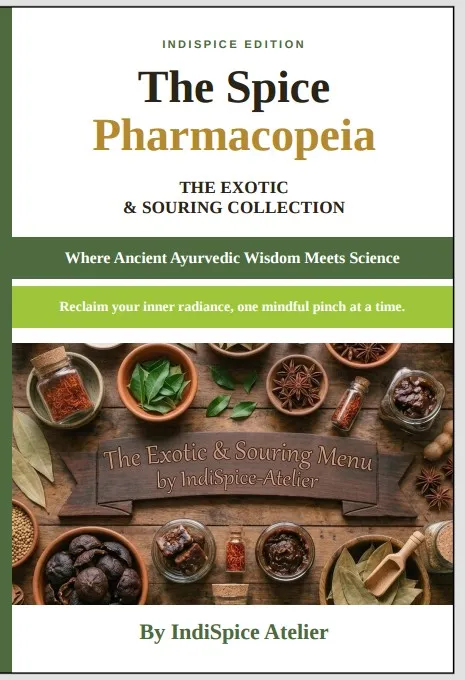
Volume IV · The Salivary Catalysts
The Exotic & Souring Collection
Saffron, tamarind, kokum, bay leaf, curry leaf, star anise and asafoetida — precious aromatics and souring agents for mood and radiance.
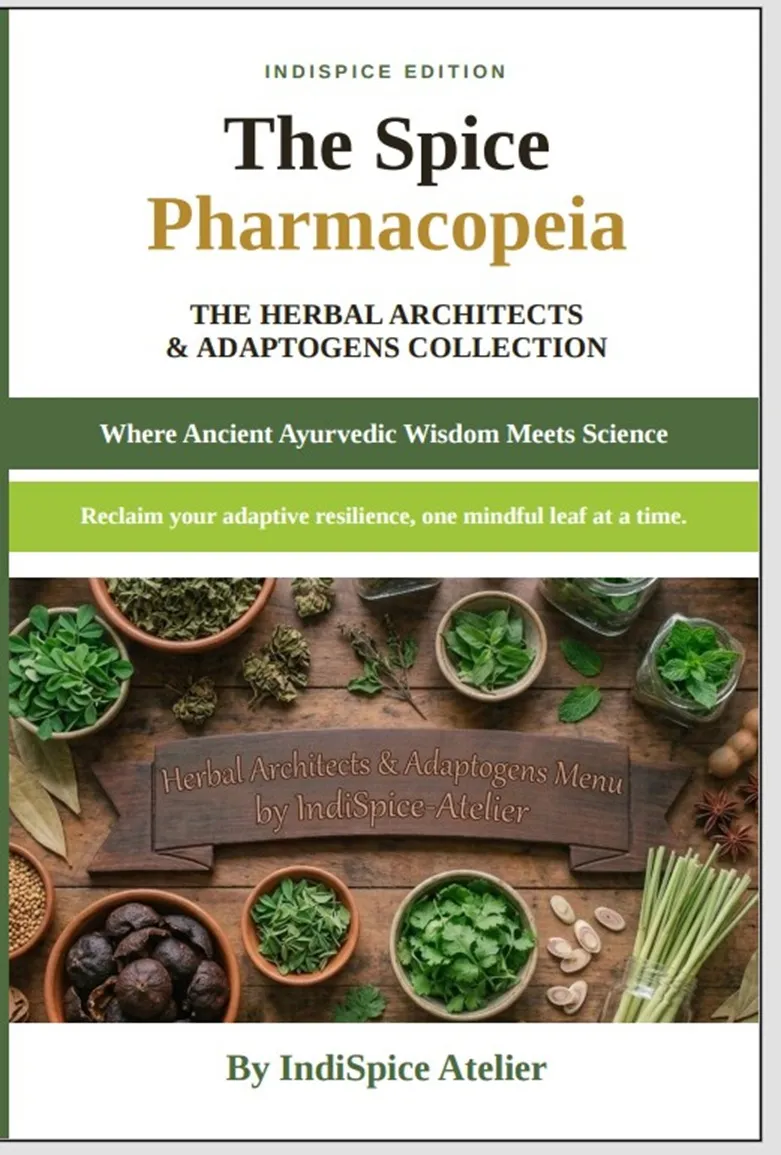
Volume V · The Cellular Sentinels
The Herbal Architects & Adaptogens Collection
Tulsi, mint, coriander leaf, fenugreek leaf and lemongrass — green-tissue adaptogens for stress resilience and cellular steadiness.
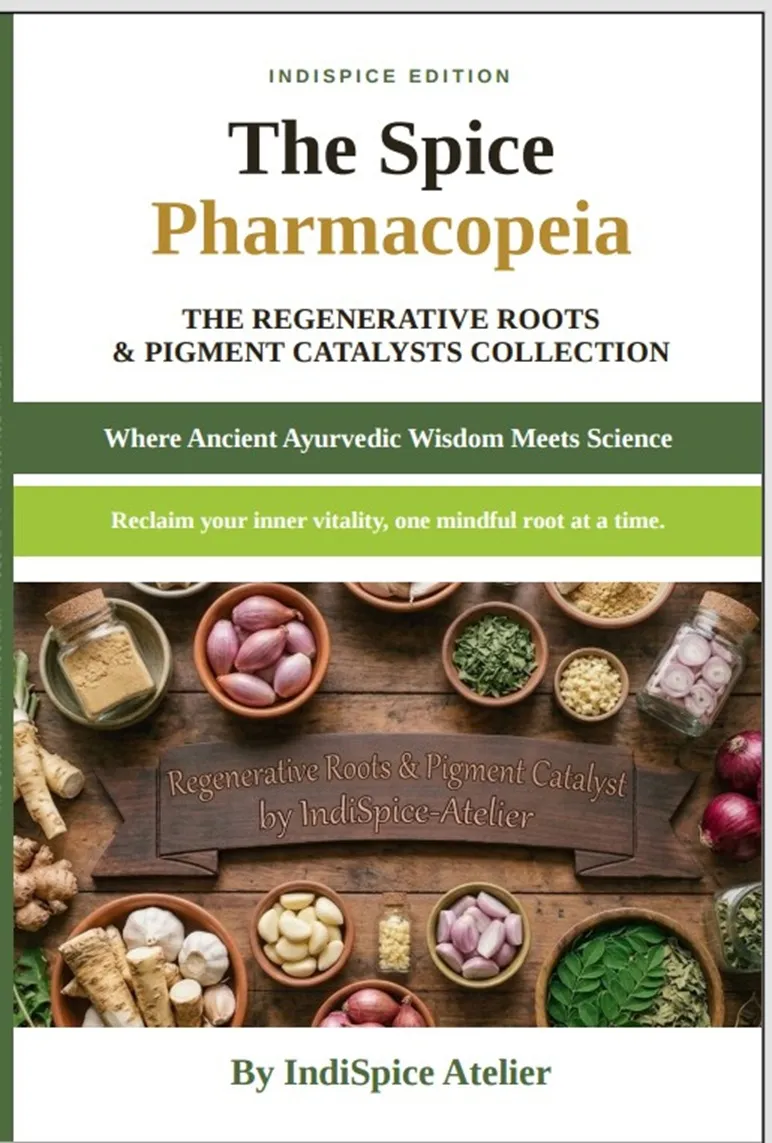
Volume VI · The Subterranean Decompressors
The Regenerative Roots & Pigment Catalysts Collection
Ginger, garlic, onion, shallot and horseradish — sulphur-rich roots that ignite metabolism, circulation and mitochondrial function.